Why Endless Runners Feel Satisfying
Some games are built around completion. Endless runners are built around continuation. There’s no final level, no clear ending, and no moment where the experience is considered finished. Instead, satisfaction comes from movement, rhythm, and the feeling of improving with each run.
That structure changes how players relate to progress. Rather than aiming to finish, they aim to flow — moving a little further, reacting a little faster, and becoming more familiar with the pace of the game over time.
Here’s why that loop feels so rewarding.
Momentum Creates Immediate Engagement
Endless runners begin in motion. Characters move forward automatically, and players respond to what appears rather than deciding where to go. This removes hesitation and creates instant focus.
Because interaction starts immediately, even short sessions feel meaningful. There is no warm-up period - the experience is already underway.
Repetition Without Stagnation
At first glance, endless runners repeat the same actions: jump, dodge, collect, continue. But variation inside that repetition keeps the experience fresh. Environments change, obstacle patterns shift, and small differences create new outcomes.
This balance between familiarity and unpredictability makes each run recognizable without feeling identical.
Progress Through Skill, Not Completion
Satisfaction in endless runners often comes from personal improvement rather than finishing content. Players notice better timing, faster reactions, and longer runs. Runs may begin as brief attempts, but familiarity allows sessions to extend naturally, revealing depth that emerges through skill rather than complexity.
Progress becomes internal. Instead of unlocking a final state, players develop confidence within the rhythm of the game.
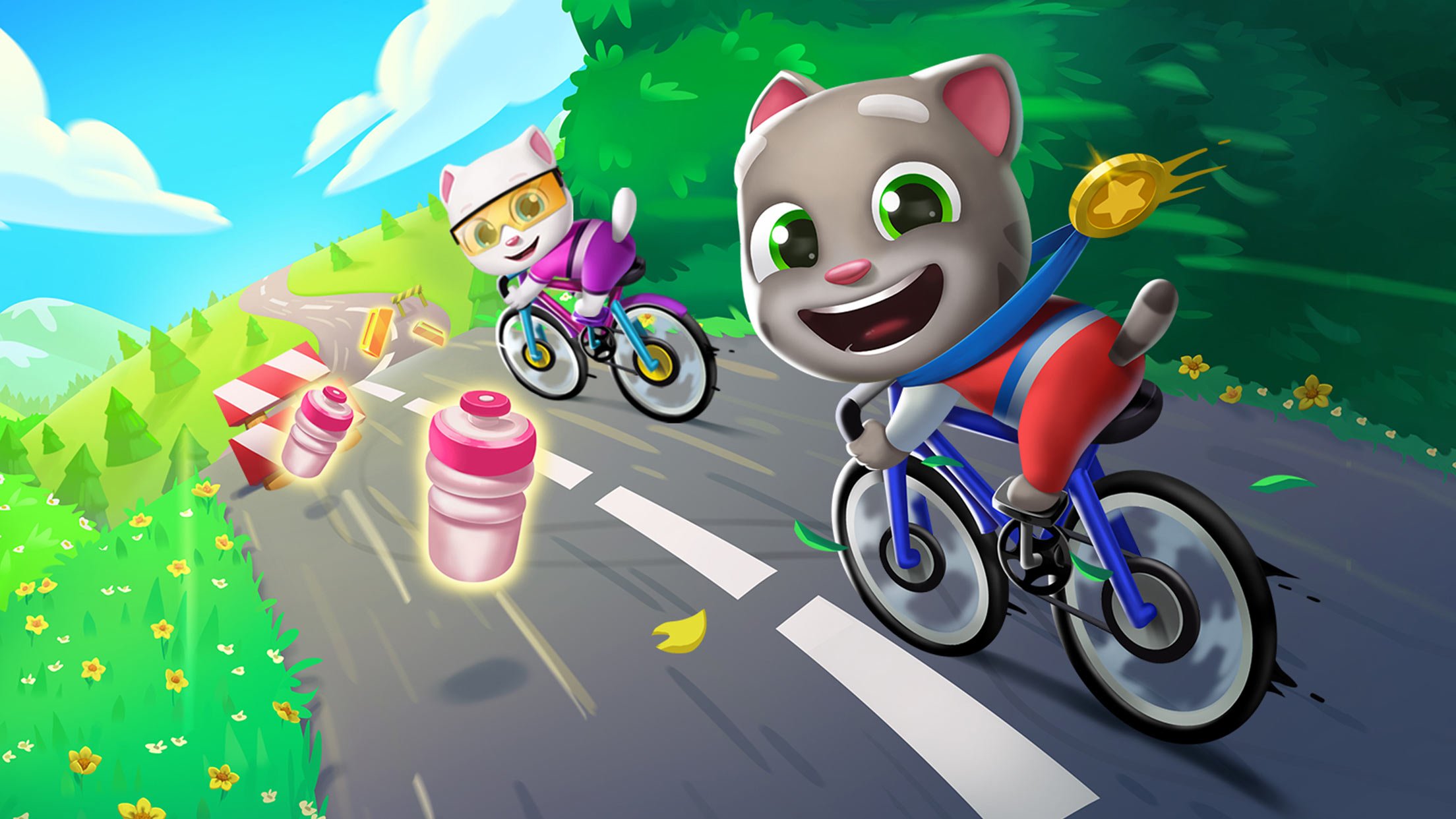
In experiences such as Talking Tom Gold Run, , which has evolved over nearly a decade of updates, this progression appears through distance, rewards, and the gradual ability to navigate increasingly complex obstacle sequences without interrupting flow.
Shorter or Longer Sessions Encourage Continuation
Runs often begin as quick attempts, which makes restarting feel natural. Instead of ending a session, a mistake becomes an invitation to try again immediately. At the same time, successful runs can extend well beyond those first minutes — as players develop timing and familiarity, movement continues uninterrupted, turning a brief attempt into a sustained session.
This range supports different skill levels within the same structure. New players can enjoy short bursts of play, while more experienced players remain in motion longer, navigating increasingly complex sequences and refining reaction. The familiar “one more run” pattern emerges from that flexibility, allowing fast-paced games to fit small breaks while still offering depth for those who choose to stay.
Flow State and Focus
Endless runners are closely associated with flow — a state where attention narrows and interaction becomes automatic. Movement, rhythm, and reactive decision-making combine to create sustained focus without requiring heavy planning.
Even short sessions can produce this effect, which contributes to the genre’s long-term appeal.
Why Endless Runners Stay Engaging
Endless runners remain satisfying because they remove the pressure of finishing while preserving the feeling of progress. Movement replaces milestones, repetition supports mastery, and short loops encourage continuation.
For players looking for games that deliver quick action, reactive gameplay, and a sense of improvement that unfolds over time, endless runners offer an experience built around momentum rather than completion — one where the reward isn’t reaching the end, but continuing a little further than before.