Why Endless Runners Stay Popular
Simple controls, scalable challenge, and flexible short or long runs make this genre ideal for players of all ages and skill levels.
Read more.jpg)
Endless runners are built on repetition, but their long-term appeal depends on how that repetition evolves. The most effective designs don’t replace the core loo, they expand it, allowing the same system to remain engaging across different ages, skill levels, and play styles.
Rather than relying on constant novelty, enduring endless runners balance consistency with gradual change. This makes them accessible in short sessions while still supporting longer, more focused play.
How do endless runners stay engaging over time?
They maintain a stable core loop while introducing variation through environments, pacing, and progression systems.
Do endless runners work for different skill levels?
Yes. Simple controls make them accessible, while increasing speed and complexity create challenge for experienced players.
Can endless runners support both short and long sessions?
Yes. Runs can be brief or extended depending on player performance, without changing the structure of the game.
At the center of every endless runner is a consistent interaction pattern: forward movement, obstacle avoidance, and reactive decision-making. This structure is easy to understand, which makes it suitable for younger players or those looking for immediate engagement.
Because the core loop remains stable, players don’t need to relearn the game after updates or breaks. This consistency supports long-term retention while keeping the experience approachable.
Instead of introducing layered systems, endless runners often scale difficulty through pacing. As the run continues, movement speeds up, reaction windows tighten, and decision-making becomes more precise.
This creates a natural progression:
early runs feel manageable
longer runs demand focus and consistency
The same mechanics support both entry-level play and higher-skill performance.
One of the defining features of endless runners is flexible session length. A run can last only a few seconds, making it easy to fit into small moments, but it can also extend into longer play as performance improves.
There is no forced commitment. Players can stop at any time or continue as long as they maintain control.
This makes the experience adaptable to:
different attention spans
varying time availability
different age groups
To remain engaging, endless runners introduce variation without altering the core experience. This can include changes in environment, obstacle patterns, or visual themes.
The key is that these additions feel familiar. Players recognise the structure, but encounter it in slightly different forms.
This balance allows repetition to remain engaging rather than predictable.
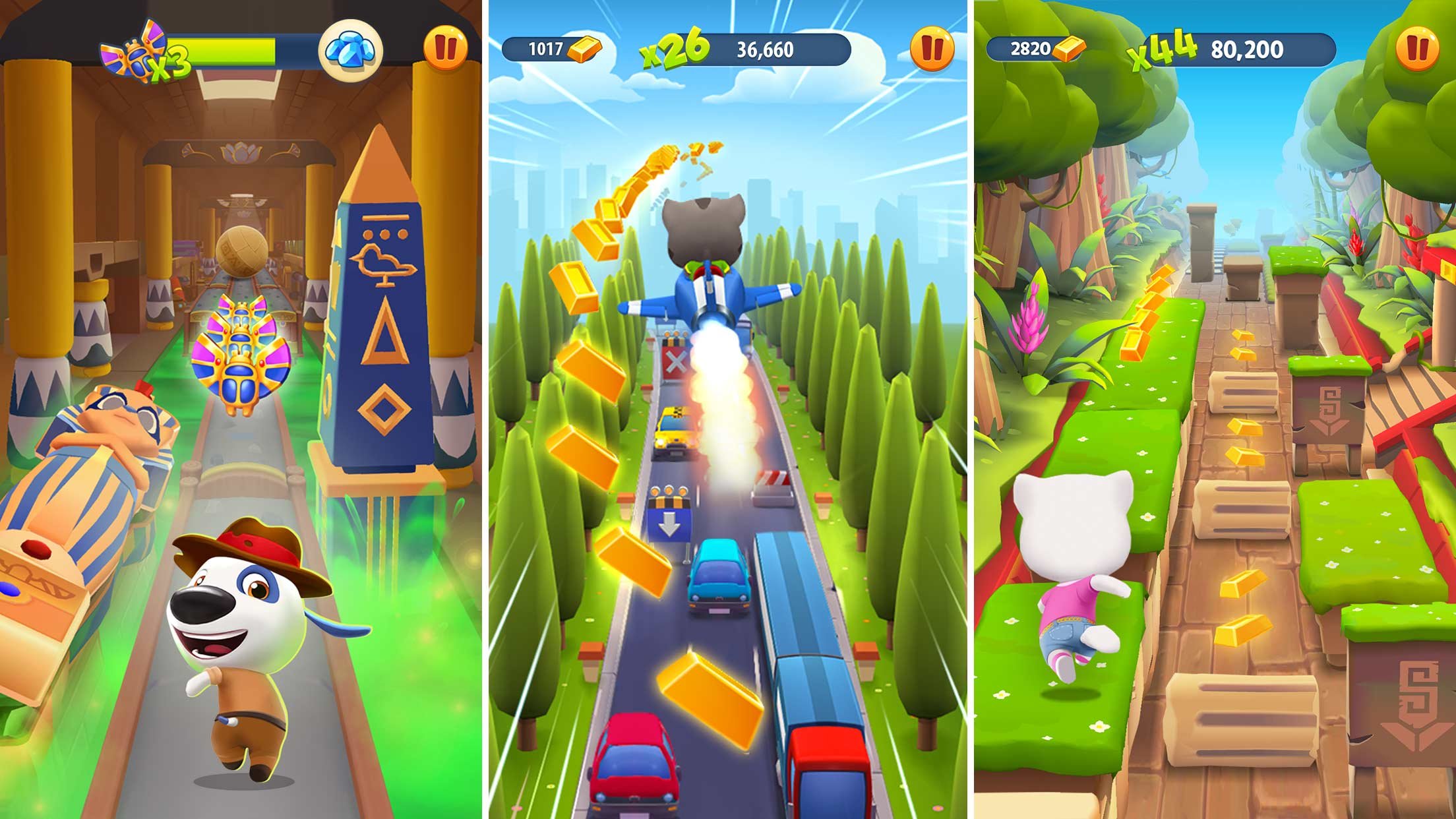
Games like Talking Tom Gold Run illustrate how this approach works in practice. The core chase loop remains consistent, while variation is introduced through environments, rewards, and evolving run conditions.
The result is a system where:
players can engage through short, simple runs
more experienced players can sustain longer sessions and refine their performance
The same structure supports different levels of play without increasing complexity.
Endless runners avoid fixed endpoints. Instead of completing levels, players progress through distance, rewards, and improved control.
This creates a sense of ongoing development without requiring a final goal. Each run contributes to familiarity, making future runs smoother and more consistent.
The combination of movement, timing, and reactive interaction creates a strong connection to flow. Players remain focused without needing to manage complex systems or long-term strategies.
Because the experience is easy to enter and scales with performance, players can repeatedly return to that state, whether for a quick session or extended play.
Endless runners remain engaging because they prioritise:
a stable, easy-to-understand core
difficulty that scales through pacing
variation that preserves familiarity
session length that adapts to the player
This makes them suitable across ages and skill levels, while also fitting naturally into different play patterns.
Simple controls, scalable challenge, and flexible short or long runs make this genre ideal for players of all ages and skill levels.
Read more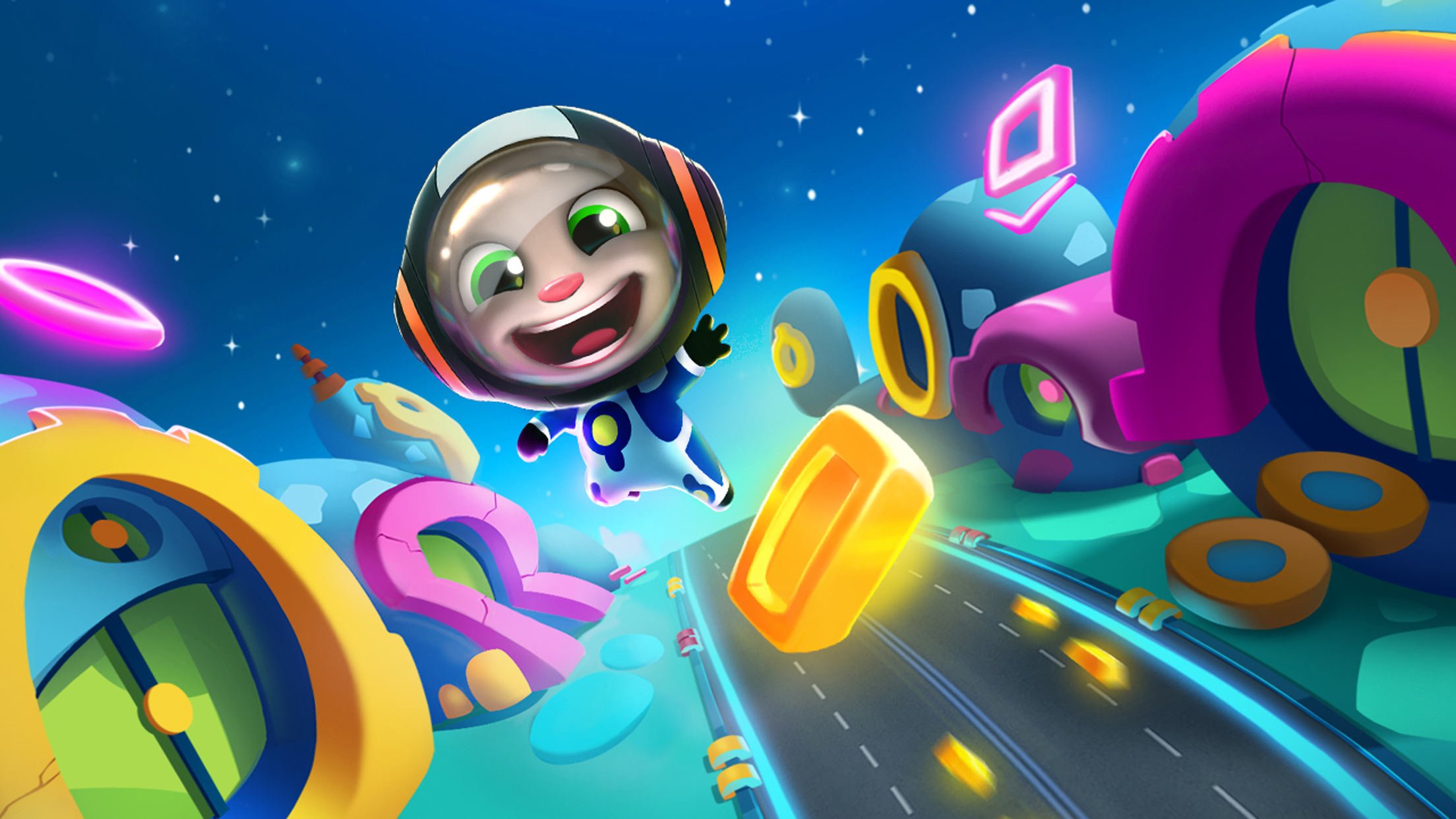
IMobile games with short or extendable sessions, simple controls, and active gameplay—ideal for all ages, skill levels, and quick play moments.
Read more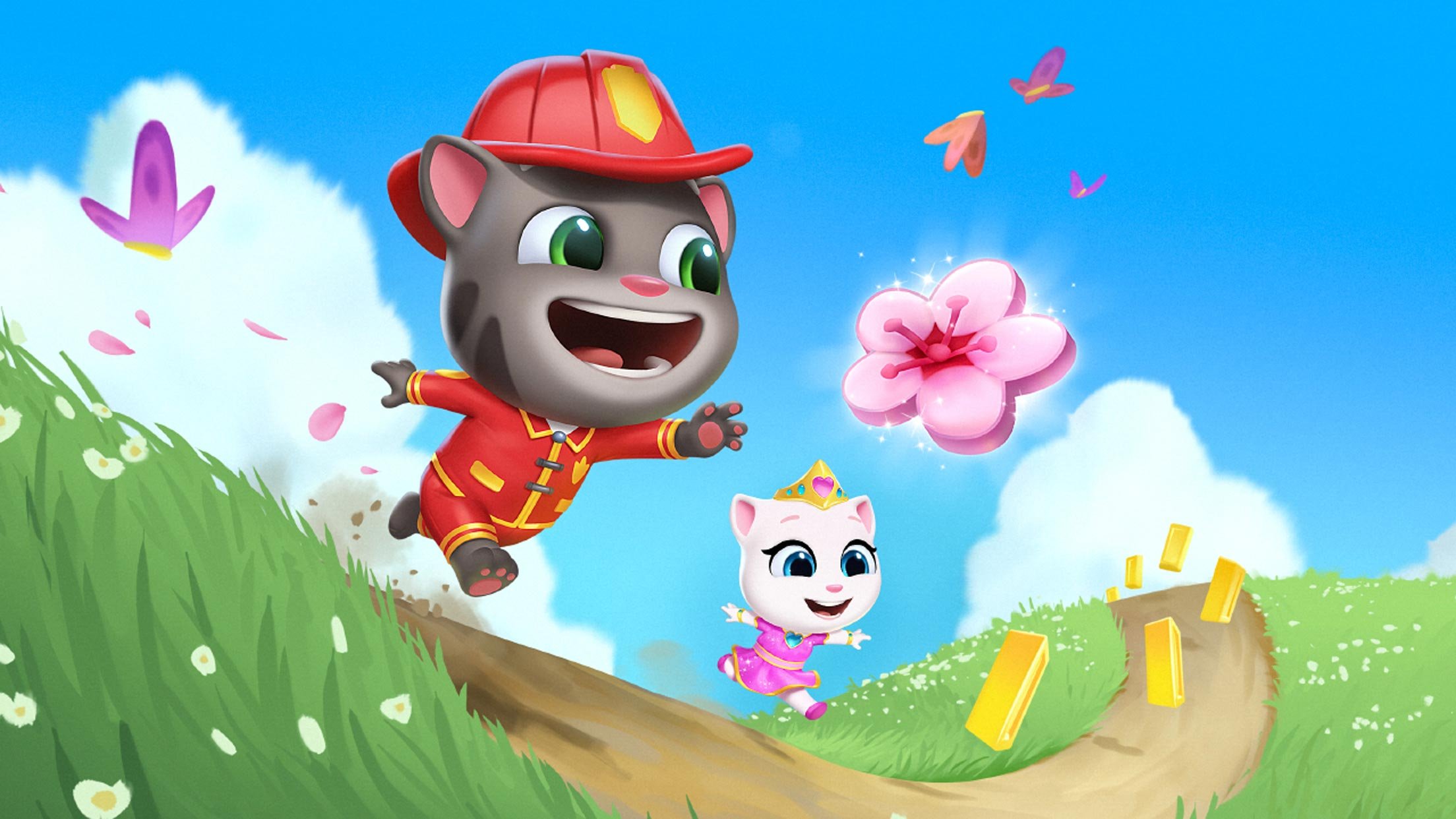
A guide to the best endless runner games, explaining how continuous movement, evolving worlds, and skill-based runs create fast, flexible gameplay for players of all ages.
Read more